

What to do the moment your carpet gets wet
It starts with something small. A pipe that wasn't quite right. A door left open during a surprise Texas downpour. A water heater that finally gave up on a Tuesday morning. However it happens, the moment you step onto a soggy carpet, your stomach drops a little. You know what's at stake. Not just the carpet itself, but what can grow underneath it if you don't act fast.
Mold doesn't announce itself. It quietly takes hold in the padding, in the subfloor, in places you can't see until the damage is already done. The good news is that with the right steps taken quickly, most wet carpet situations are manageable. Here is exactly what to do.
1. Stop the source before anything else
This sounds obvious, but in a panic, people go straight for towels and fans before addressing what's still making things wet. Whether it's a leaking appliance, an open window, or a burst pipe, the moisture source has to be stopped first. Drying wet carpet flooring while water is still coming in is like bailing out a boat without plugging the hole.
2. Extract as much water as possible, immediately
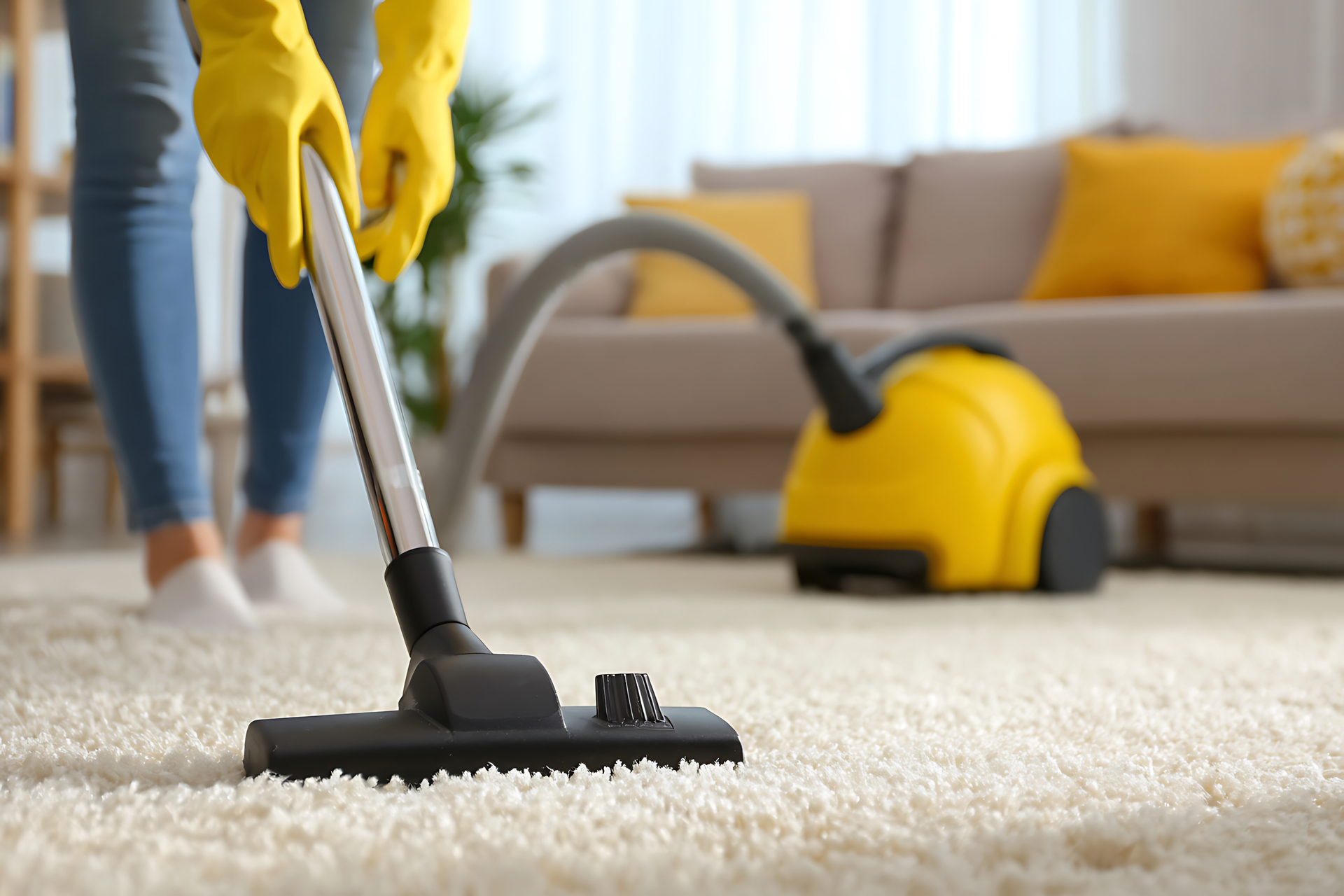
Time is the most critical factor in a wet carpet situation. The longer moisture sits, the deeper it penetrates into the padding and subfloor, and the more hospitable the environment becomes for mold. If you have a wet/dry shop vacuum, use it immediately and go over the affected area multiple times. Don't stop when it looks dry on the surface. The padding beneath holds water long after the fibers above feel dry to the touch.
3. Pull back the carpet and address the padding
Here's the step most homeowners skip, and it's the most important one. The carpet pad acts like a sponge, and once it's thoroughly saturated, it rarely dries completely on its own. Pulling back the carpet and removing the wet padding is often the only reliable way to prevent mold from forming below the surface. In many cases, the padding needs to be replaced entirely, even when the carpet itself can be saved.
4. Run air movers and dehumidifiers, not just fans
A household box fan circulating damp air around a wet room is not the same as actually drying the space. Mold thrives in humid environments, so the goal isn't just to move air but to pull moisture out of it entirely. Dehumidifiers are essential here. Position them in the affected area and run them continuously until moisture readings return to normal. If you don't own one, they are widely available to rent, and the cost is well worth it compared to the alternative.
5. Don't skip the subfloor
Once the padding is out, take a close look at the subfloor beneath. Press your hand against it. If it feels soft, damp, or shows any discoloration, it needs to be dried thoroughly before anything goes back down on top of it. A moisture meter, available at most hardware stores, takes the guesswork out of this step entirely. Installing new padding over a wet subfloor simply delays the mold problem rather than solving it.
6. Treat the area with an antimicrobial solution
Once the subfloor and back of the carpet are dry, an antimicrobial spray adds an important layer of protection against mold spores that may already be present. This step is especially worth doing in Austin and the surrounding Hill Country, where warm temperatures and humidity can accelerate mold growth faster than in cooler climates. Apply it to both the subfloor and the back of the carpet if you're reinstalling it, and let it dry completely before laying anything back down.
7. Know when the carpet has to go
Sometimes the honest answer is that the carpet cannot be saved. If the water involved was anything other than clean water, if the carpet was submerged for more than 24 to 48 hours, or if you're already detecting a musty odor that won't leave even after thorough drying, replacement is the right call. Mold embedded deeply in carpet fibers is not something cleaning alone can fully resolve, and the health implications of leaving it in place are not worth the gamble.
When that moment comes, it's actually an opportunity. New flooring installation means a fresh start, and with a flooring expert guiding the process, you can choose something that fits your home better, performs longer, and handles future moisture events with more resilience. For rooms where water exposure is a recurring concern, it's also a great time to have a conversation about whether carpet is the right material going forward, or whether a waterproof option might serve you better in that specific space.
What to do if you're not sure
If you've done all of this and still aren't confident the situation is fully under control, bring in a professional. A flooring expert can assess whether your carpet is worth saving and what the subfloor situation actually looks like beneath it. That honest assessment is often worth more than another weekend of guesswork.
And if you find yourself on the other side of all this, starting fresh with new flooring and wanting to make a smarter choice for the long term, that's exactly the kind of conversation our team lives for. Our shop at home service makes it easy to explore your options in your own space, with no pressure and no guesswork.
When it's time for a fresh start, we're here
Lakeway Floors proudly serves homeowners across the greater Austin area, from Bee Cave and Westlake to Dripping Springs, Georgetown, Leander, Marble Falls, and beyond. Our flooring experts are ready to help you find the right solution for your home and your lifestyle. Explore our premium carpet flooring options and schedule your free in-home consultation today.


