

Laminate flooring has become a favorite among homeowners who want beauty, durability, and style without stretching their budgets. But with today’s modern color ranges—from pale oaks to rich espresso tones—choosing the right shade can feel overwhelming. The shade selected plays a huge role in how a room feels, how big it appears, how clean it looks day to day, and how well it complements furniture and décor.
When deciding between light, medium, or dark laminate floors, it helps to understand how each one behaves in real spaces. From bright and airy to warm and dramatic, every tone brings its own personality. Here’s a warm, design-forward breakdown to help narrow things down and fall in love with the shade that truly fits the space.
Why laminate color matters more than most think
Flooring covers a massive percentage of any room, making it one of the strongest visual anchors. Color sets the mood just as much as lighting or wall paint. Lighter floors tend to expand a space visually, while darker shades add richness and depth. Medium-toned shades balance the best of both worlds, offering flexibility and timelessness.
Beyond aesthetics, laminate shades also affect how much dust shows, how well the home’s natural lighting works with the flooring, and how easily the style evolves when the décor changes.
Light laminate shades for a bright, open look
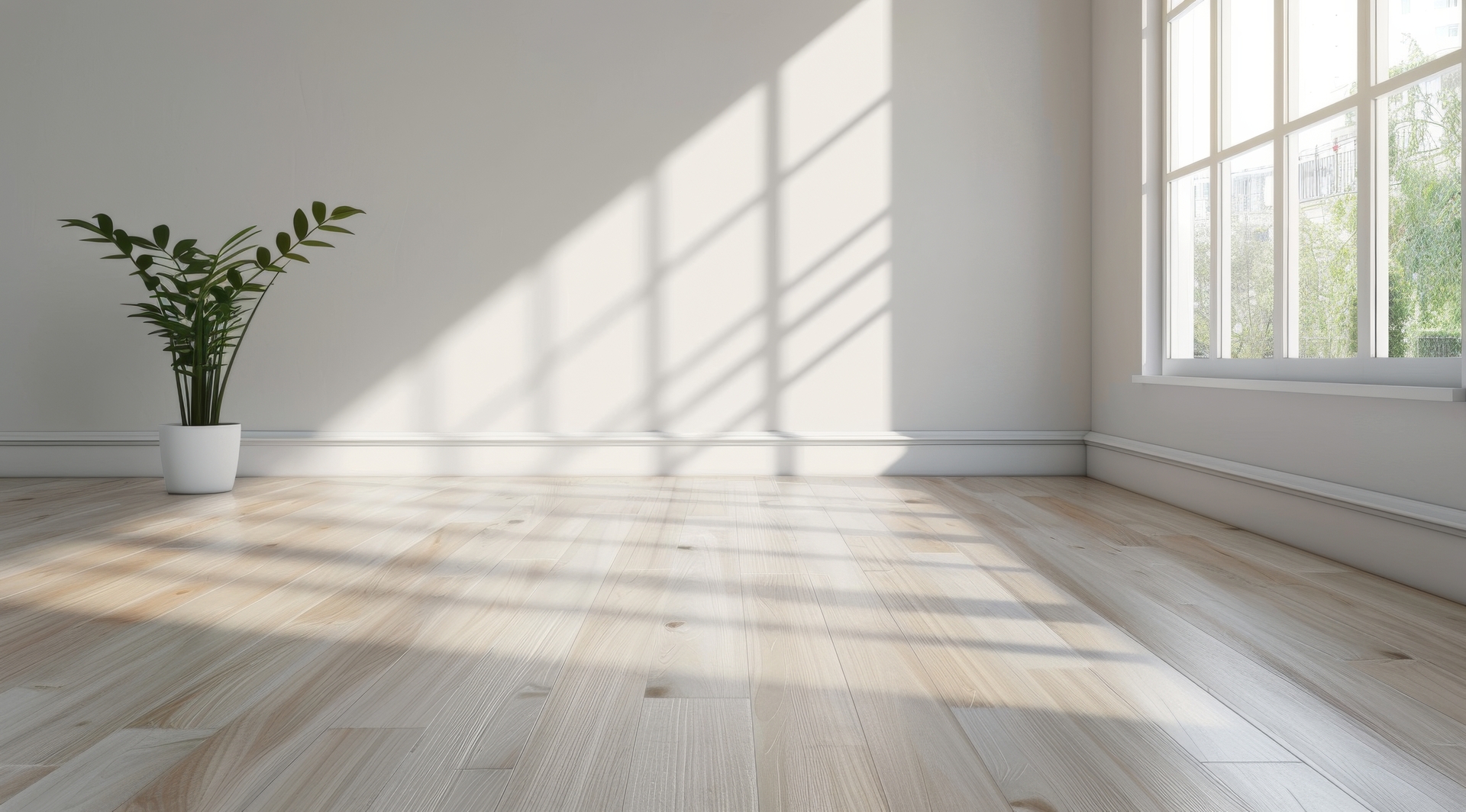
Light laminate—think blonde oak, soft beige, and pale gray—has become a top trend for homeowners who want a clean, fresh, Scandinavian-inspired feel.
Why light laminate works beautifully:
Makes small rooms feel significantly larger and more open
Reflects natural light, keeping the home bright and uplifting
Creates a minimalist, modern foundation that works with almost any color palette
Hides dust better than dark floors
Light laminate is perfect for homes with large windows, open-concept designs, or rooms that need a visual “lift.” It’s especially popular in modern, coastal, farmhouse, and minimalist interiors.
When to be cautious:
If the home has heavy foot traffic with darker dirt—pets running in from the yard, for example—light floors may show certain marks more clearly. Choosing a textured light laminate can fix this easily.
Medium laminate shades as the versatile middle ground
Medium laminate floors, such as warm oak, chestnut, and mid-tone gray, are the reliable classics that never go out of style. They’re the most adaptable shades and have a natural way of blending with both light and dark décor pieces.
Why medium laminate is a great all-around choice:
Works in any room size—from compact bedrooms to spacious living areas
Adds warmth without making the room feel smaller
Complements nearly any furniture color, from white to walnut
Provides that “classic home” appeal and suits traditional, contemporary, and transitional style
Medium shades also tend to hide everyday dust and footprints extremely well, which makes them practical for busy families and high-traffic homes.
Dark laminate shades for dramatic and elegant spaces
Dark laminate—espresso, charcoal, chocolate brown, and deep walnut tones—creates instant sophistication and luxury. These floors add striking contrast, making light furniture or walls pop beautifully.
Why dark laminate makes a bold statement:
Adds richness and depth to any room
Offers a high-end, dramatic look
Helps define large, open-concept spaces
Pairs well with modern, industrial, or traditional luxury décor
For homes with ample natural light, dark laminate creates a warm, cozy environment without feeling heavy. It’s also fantastic for creating contrast against light cabinetry or soft neutral fabrics.
When to use carefully:
Dark laminate floors can show dust, pet hair, and footprints more easily, especially in matte-free or ultra-smooth finishes. Choosing a textured, low-sheen dark laminate helps reduce this effect.
How lighting can influence the final decision
Lighting is a major player in how laminate colors look. A shade that seems perfect in a showroom can appear totally different in a living room depending on natural light, shadows, and even lightbulb temperatures.
Warm lighting can bring out golden, cozy undertones in medium and dark laminate.
Cool lighting enhances crispness in light and gray-toned laminate.
Rooms with limited natural light may appear smaller with very dark floors, while bright spaces can easily support deeper tones without feeling closed-in.
Coordinating laminate shades with furniture and décor
A good rule of thumb is contrast. If the furniture is darker, lighter floors can brighten the room. If the furniture is light or neutral, dark floors can ground the space. Medium floors give you the most flexibility when décor styles change over time.
Another trend that works well with all laminate shades is incorporating mixed materials—think rattan, metal, glass, and textiles. These help define the room’s personality even further.
Final tips for choosing the perfect laminate shade
Bring home flooring samples and test them in different lighting throughout the day
Consider how often the room is used and how much foot traffic it gets
Match the floor shade to the mood you want—airy, warm, bold, or balanced
Don’t be afraid to blend tones across the home as long as transitions are strategic
Contact us to explore laminate options that truly elevate your home
Ready to discover the laminate shade that brings your space to life? Lakeway Floors offers a beautiful range of light, medium, and dark laminate styles—paired with expert guidance and the ease of our shop-at-home service across the greater Austin area. Connect with Lakeway Floors today and fall in love with your home all over again.


