

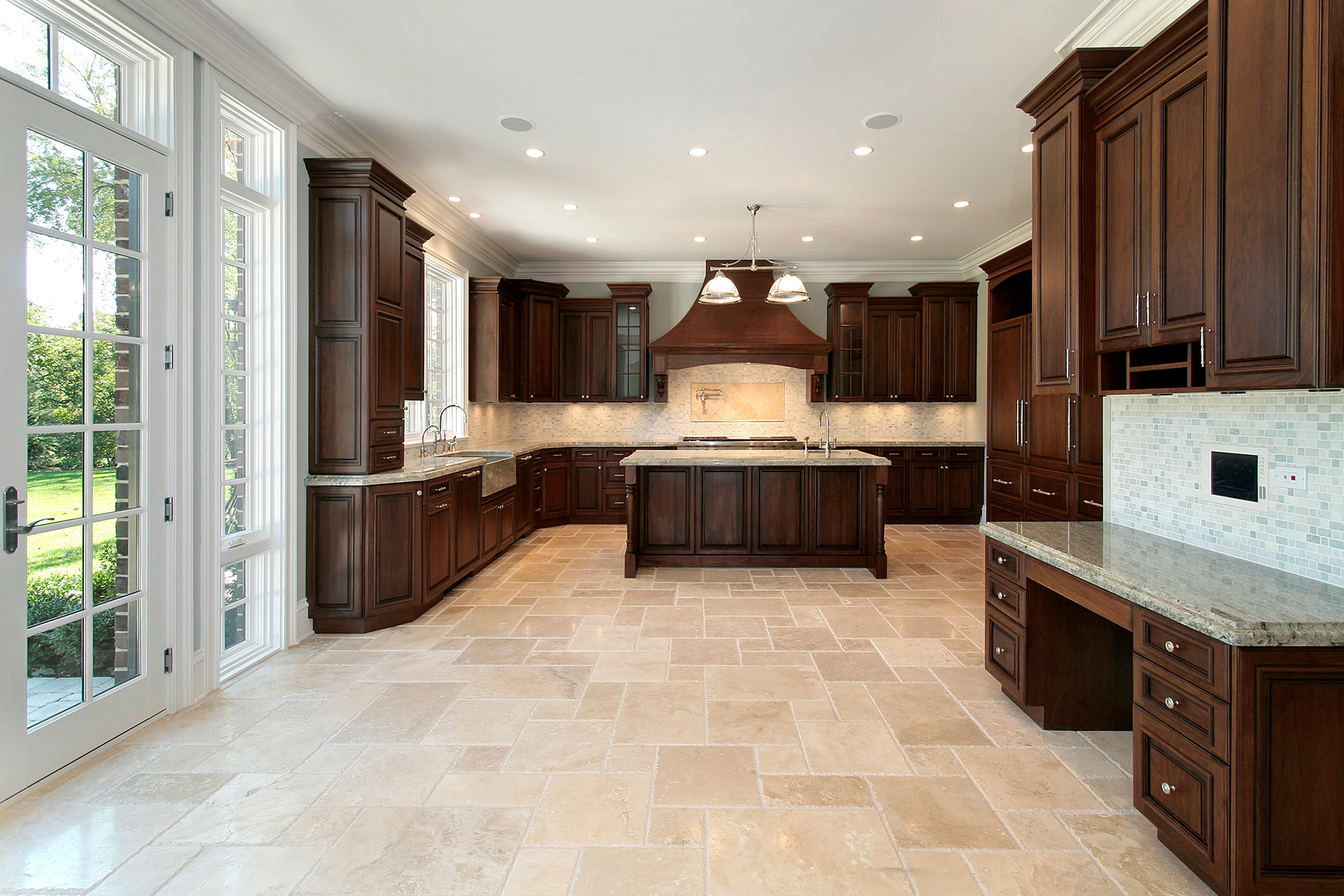
Big rooms invite drama, and tile loves to deliver it. A sweeping kitchen, an open great room, or a wide hallway dressed in large-format porcelain can completely transform a home. The catch is that tile is a rigid surface laid over a substrate that quietly moves all year long, and the bigger the floor, the more that movement adds up.
That is exactly where expansion joints and movement details earn their keep. At Lakeway Floors, we work with homeowners across the greater Austin area, including Bee Cave, Westlake, The Hills, Dripping Springs, Spicewood, Horseshoe Bay, Cedar Park, Georgetown, Leander, Liberty Hill, Burnet, and Marble Falls, and we see how Texas slabs respond to seasonal swings. Planning movement details from the start is the difference between a floor that ages gracefully and one that telegraphs every tiny shift through cracked grout and tented tiles.
Why big tile floors crack when no one builds in room to breathe
Tile, thinset, grout, and the slab beneath them all expand and contract at slightly different rates. In smaller spaces, that movement is forgiving. Spread the same tile across thirty or forty linear feet, and even a fraction of a millimeter per foot becomes serious stress concentrated in the weakest spots, which are usually the grout lines.
Houses move too. Concrete slabs cure and shrink for years, framing settles, and Texas humidity swings push moisture in and out of every porous surface. Without somewhere for that energy to release, the floor releases it for you, often as a hairline crack down a grout joint that grows over time.
This is where a flooring company that understands installation science matters. Choosing the right tile is only half the conversation. The other half is mapping out where the floor needs to flex, long before the first thinset bag is opened.
What an expansion joint actually does
An expansion joint is a deliberate soft break in the tile field, filled with a flexible sealant rather than rigid grout. It absorbs movement instead of resisting it, giving the surrounding tiles a place to push without cracking their neighbors.
Industry standards from the Tile Council of North America are pretty clear on this. Interior tile fields generally need movement joints every twenty to twenty-five feet in each direction, and tighter spacing in rooms exposed to direct sunlight or moisture. Big rooms almost always cross that threshold.
Perimeter joints, the detail most homeowners never see
Equally important is the soft joint that runs around the entire perimeter of the room, where tile meets walls, cabinets, tubs, and thresholds. Baseboards or shoe molding usually hide it, but that small gap is what allows the whole field to expand toward the edges without buckling.
Skip the perimeter joint and the floor has nowhere to go. The result is often a cluster of cracks several rows in from the wall, right where the stress finds release.
Transitions, doorways, and changes in substrate
Movement details also belong at every doorway, every change in substrate, and anywhere tile meets a different flooring material. A subfloor change, even from one slab pour to another, is a built-in fault line waiting to happen.
Properly placed transition strips and soft joints respect those boundaries. They keep the tile flooring on each side of the threshold independent, so a small shift on one side does not pull its neighbor apart.
Designing movement into the project before installation day
The best time to plan expansion joints is during design, not after the layout is dry-fit. Joint placement should follow the room geometry, align with control joints in the slab, and fall in spots that read as intentional rather than awkward. A thoughtful layout can tuck soft joints under furniture lines, along sight axes, or into pattern transitions where they almost disappear.
Color-matched flexible sealants make those joints quietly blend with surrounding grout, preserving the clean look homeowners want from large-format tile. When the planning is right, you barely notice the movement details, which is exactly the point.
For larger projects, especially when tile is part of a broader home remodel, coordinating substrate prep, slab assessment, and joint layout with the rest of the build keeps every trade pulling in the same direction. That is how big tile rooms stay beautiful for decades.
Get expert tile guidance from your home
Thinking about a wide-open tile floor and want it engineered to last? We at Lakeway Floors would love to help you plan every detail, from layout to movement joints. Schedule a shop-at-home consultation and we will bring curated tile samples and our expertise straight to your door.


