

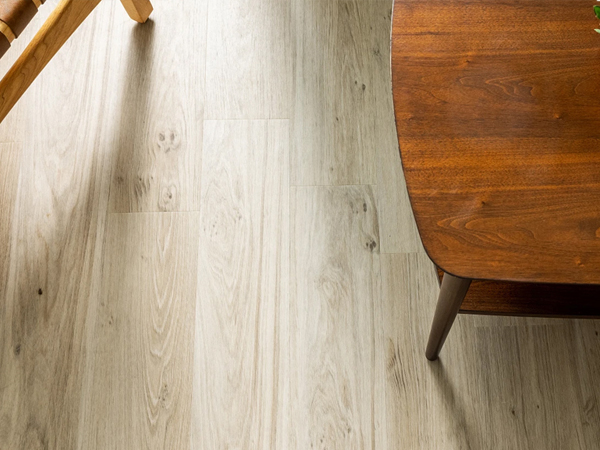
Laminate flooring has come a long way from the budget afterthought it used to be. Today's planks can mimic hand-scraped oak, weathered barnwood, or polished marble so convincingly that most guests will not catch the difference until they kneel down to look. But underneath all that beautiful surface imagery sits a layer most homeowners never think about: the core.
That core is the heart of the plank, and it determines almost everything that matters once the floor is installed. We at Lakeway Floors have spent years guiding Austin-area homeowners through this exact decision, and the choice almost always comes down to two materials. High Density Fiberboard, known as HDF, and Medium Density Fiberboard, known as MDF. Knowing the difference can save you from buying a floor that looks gorgeous in the showroom but disappoints six months later.
What the core actually does inside a laminate plank
Every laminate plank is a sandwich of four layers, and the core is the thickest of them all. It carries the weight of furniture, absorbs the impact of dropped pans, and holds the click-lock edges together season after season. The strength and density of that inner board is what separates a floor that lasts fifteen years from one that starts swelling at the seams within a few summers.
Density is measured in pounds per cubic foot, and it directly affects how the plank behaves underfoot. A denser core feels firmer, sounds quieter, and resists denting from chair legs and pet claws. A softer core costs less to manufacture, which is why you will often see it in entry-level laminate flooring collections at big-box retailers.
Medium density fiberboard explained
MDF is made from finely ground wood fibers bound together with resin and pressed into sheets. It typically falls in the 33 to 50 pounds per cubic foot range, which makes it lighter, softer, and noticeably more affordable. For light-traffic bedrooms or guest rooms in dry climates, it can perform reasonably well.
The trouble starts when moisture enters the picture. MDF cores tend to swell when exposed to humidity or spills, and once that swelling happens, the damage cannot be reversed. In Central Texas, where summer humidity and the occasional ice-machine leak are facts of life, this is a real consideration.
High density fiberboard explained
HDF uses the same basic idea but compresses the fibers far more tightly, producing boards in the 50 to 80 pounds per cubic foot range. That extra density translates directly into a tougher, quieter, more dimensionally stable plank. The click-lock joints stay locked, the edges resist chipping, and the surface holds up better against everyday wear.
Most premium laminate sold today uses an HDF core, and many waterproof laminate lines push the density even higher with specialty resins added to the mix. If you are putting flooring in a kitchen, hallway, or anywhere with kids and pets, this is the category worth shopping.
How to choose the right core for your home
The decision is not always black and white, and the right answer depends on your room, your budget, and how long you plan to stay in the home. Here are five practical points worth weighing before you commit:
- Foot traffic matters more than square footage. A small busy hallway will wear faster than a large quiet bedroom, so plan density around use rather than area.
- Moisture exposure changes everything. Kitchens, bathrooms, mudrooms, and homes with pets should always lean toward HDF or waterproof HDF cores.
- Subfloor condition affects performance. A denser core forgives minor subfloor imperfections, while a softer MDF plank will telegraph every bump.
- Sound transmission is real. HDF planks paired with quality underlayment dramatically reduce hollow clicking sounds in upstairs rooms.
- Resale value follows quality. Buyers and inspectors notice swollen seams immediately, and that one detail can shape how the rest of the home is perceived.
Where each core type belongs in your home
For bedrooms, closets, and formal sitting areas with stable temperatures, MDF can be a sensible budget choice. For everywhere else, especially open-concept living spaces that flow into kitchens, HDF is the smarter long-term investment. The price difference per square foot is usually modest, but the lifespan difference can be enormous.
It is also worth remembering that the core only performs as well as the flooring installation underneath it. Even the best HDF plank will fail prematurely if it is laid over an unlevel subfloor or without proper expansion gaps. A thoughtful install protects your investment far more than an extra dollar per square foot ever will.
Bring your floor home before you buy
If you are weighing laminate against hardwood or another option, seeing the actual planks in your own lighting changes the conversation completely. Showroom lighting flatters everything, but your living room at four in the afternoon tells the truth.
Talk to our flooring experts about your project
We at Lakeway Floors proudly serve Lakeway, Bee Cave, Westlake, Dripping Springs, Cedar Park, and the wider greater Austin area, and we would love to help you find the right core for your space. Our shop-at-home service brings samples directly to your door so you can compare HDF and MDF options in the rooms where they will actually live.


