

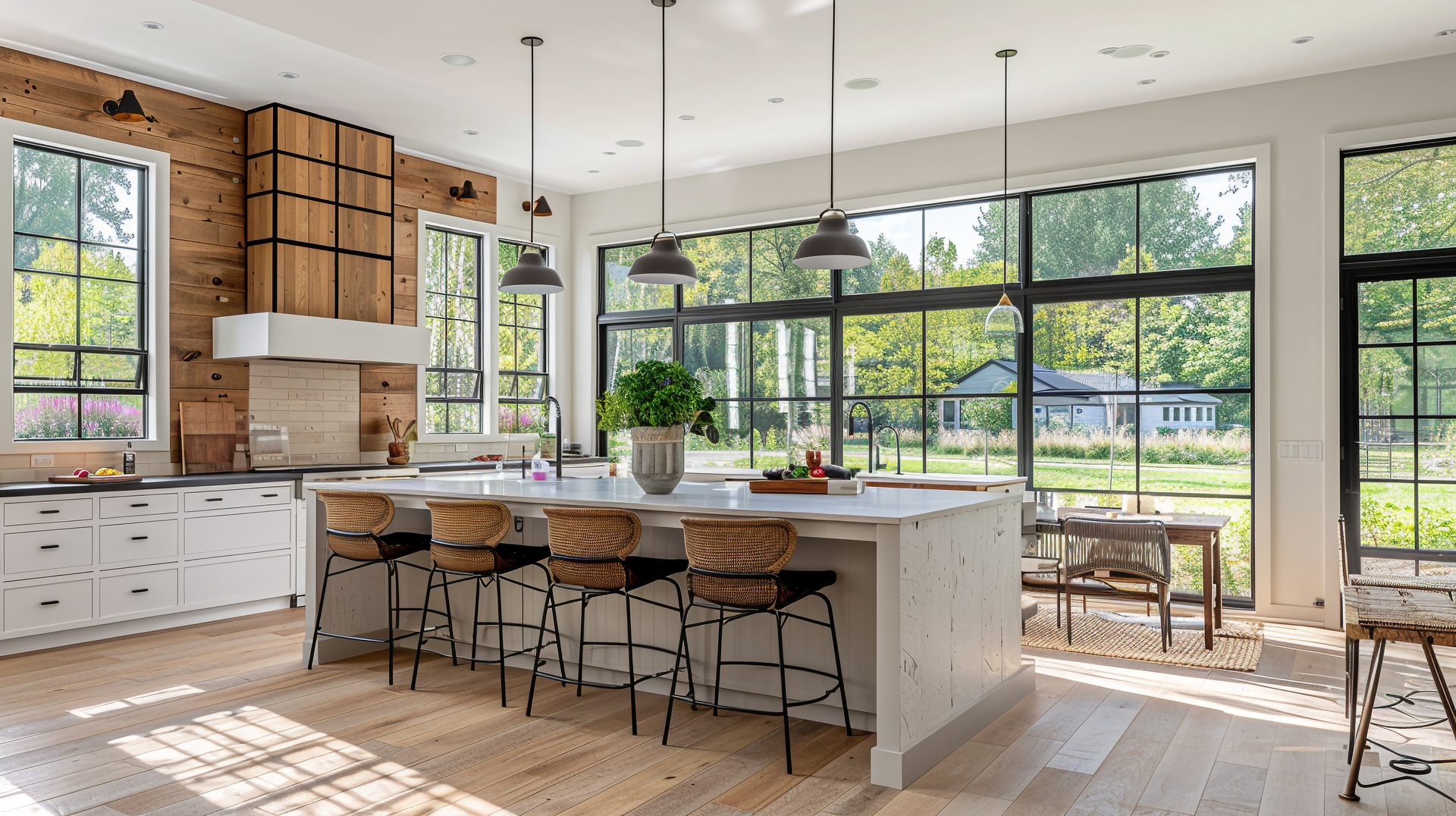
Kitchens have evolved far beyond purely functional spaces. Today, they are gathering areas, design statements, and extensions of the home’s overall aesthetic. As open floor plans continue to dominate modern homes, many homeowners consider extending hardwood flooring into the kitchen for a seamless, cohesive look. While hardwood floors bring warmth and timeless appeal, kitchens present unique challenges that deserve careful consideration. Understanding both the advantages and limitations helps ensure the right decision for long-term satisfaction.
The visual appeal hardwood brings to kitchens
Hardwood flooring instantly elevates the look of a kitchen. Natural wood tones add warmth that balances stone countertops, tile backsplashes, and stainless-steel appliances. In open-concept layouts, hardwood creates visual continuity between living areas and the kitchen, reducing the need for transition strips and making the entire space feel larger and more connected.
Another benefit is versatility. Hardwood complements traditional, transitional, and modern kitchens alike. Whether paired with shaker cabinets or sleek slab fronts, wood floors adapt effortlessly to changing design trends, making them a timeless investment rather than a style risk.
Comfort underfoot during daily routines
Kitchens are high-traffic spaces where people stand for long periods while cooking, prepping, and entertaining. Hardwood floors provide a more forgiving surface than tile or stone, reducing fatigue and joint strain over time. The slight flexibility of wood adds comfort, especially in busy households where the kitchen is constantly in use.
Hardwood also feels warmer underfoot, particularly in cooler months. This added comfort contributes to a more inviting kitchen environment, especially in homes where barefoot living is the norm.
Durability when installed and maintained properly
Quality hardwood flooring, when properly installed and sealed, can perform well in kitchens. Many homeowners assume wood and moisture are incompatible, but modern finishes offer improved resistance to spills and splashes when promptly cleaned. Engineered hardwood, in particular, offers enhanced dimensional stability compared to solid hardwood, making it a popular choice for kitchens.
That said, durability depends heavily on habits. Using mats near sinks and dishwashers, wiping spills quickly, and maintaining consistent indoor humidity all play a role in preserving the floor’s condition over time.
The reality of moisture and spill risks
Water is the primary concern when installing hardwood in a kitchen. Unlike tile or luxury vinyl, wood can absorb moisture, leading to swelling, warping, or discoloration if spills are left unattended. Leaks from appliances or plumbing issues pose a higher risk and may require board replacement or refinishing.
Homes with busy households, frequent cooking, or young children may experience more spills, making vigilance essential. Hardwood floors demand a level of care that not every lifestyle supports comfortably.
Maintenance expectations homeowners should know
Hardwood floors require ongoing maintenance to look their best. Regular sweeping and gentle cleaning help prevent scratches caused by grit and debris. Periodic refinishing may be needed over the years to address wear patterns, especially in high-traffic kitchen zones such as near sinks, islands, and stoves.
While refinishing restores beauty, it also involves time and planning. Homeowners should weigh whether occasional refinishing aligns with long-term expectations for convenience and upkeep.
How hardwood compares to kitchen-friendly alternatives
Compared to tile or waterproof luxury vinyl, hardwood offers superior warmth and aesthetic appeal but less moisture resistance. Tile excels in spill-heavy environments but can feel cold and hard underfoot. Luxury vinyl delivers impressive durability and water resistance with wood-look visuals, though it may lack the depth and authenticity of real hardwood.
For homeowners prioritizing visual continuity and natural materials, hardwood remains compelling. For those focused on minimal maintenance and maximum moisture protection, alternatives may better align with daily needs.
Making the right choice for your kitchen lifestyle
Hardwood floors work best in kitchens where design cohesion and comfort are top priorities, and where daily habits support proper care. Smaller households, frequent entertainers, and homeowners committed to routine maintenance often find hardwood to be a rewarding choice.
Conversely, kitchens exposed to constant spills, heavy appliance use, or limited maintenance time may benefit from materials designed specifically for wet environments. The right choice balances aesthetics, lifestyle, and long-term performance rather than relying on trends alone.
When hardwood works beautifully in kitchen spaces
Installing hardwood floors in a kitchen is neither right nor wrong—it is a matter of fit. When expectations align with reality, hardwood can transform a kitchen into a warm, cohesive, and inviting space. When risks are overlooked, frustration can follow. Careful evaluation ensures the kitchen remains both beautiful and functional for years to come.
Considering hardwood flooring for a kitchen remodel? At Lakeway Floors, our flooring experts help homeowners throughout Lakeway and the greater Austin area explore hardwood options that suit real-life kitchens. From in-home consultations to beautifully handcrafted installations, every step is handled with care, experience, and attention to detail. Contact us now!


